Luxury Real Estate Trends Shaping the Property Market
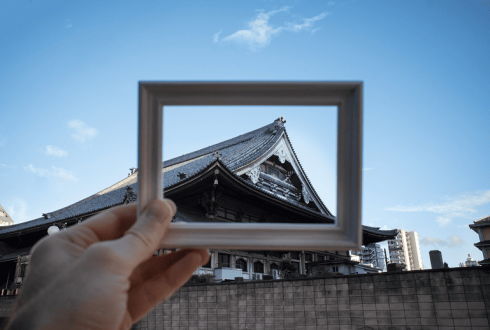
Luxury real estate has always been a market of its own: It's shielded from the economic roller coaster, not built to satisfy basic needs, and largely made up of buyers who don't always care about what the average resident of the United States cares about. However, something more fundamental is taking place in 2026. What constitutes luxury is changing. Premium is no longer the name of the game because of its location. Rather, home buyers are posing more serious inquiries: How does this house promote health? What will it look like in a climate change? Does it relate to the “right” community, or does it represent my own community? Does this property reflect my lifestyle, priorities, and values?
How to answer those questions is changing everything - from how homes are designed, where they're built, and what services developers offer with luxury homes.
Wellness Architecture: The Home As Sanctuary
Wellness is the one thing that's been most at the forefront in recent years in the luxury industry. The pandemic shift towards a place of refuge and restoration is now a design philosophy, a design conversation that thinks about architecture more as a way to impact the body and the mind of those who live in it.
Today, top developers are adding to their offerings functions that were previously exclusive to the top spas and medical retreats: circadian light systems that adjust automatically with the sun to help control the body's sleep-wake cycle, meditation rooms with soundproofing, indoor swimming pools with hydrotherapy jets, saunas with chromotherapy, and air filtration that can reach hospital-grade purity. Outdoor space has been reconceptualized, not as a garden, but rather as a healing space, with the addition of zen landscaping, cold plunge pools, and biophilic design, which integrates natural materials and living plants into interior spaces.
Incorporating Technology Into Walls: Technology Integration
While smart home technology has been around for years, the luxury market has become impatient with cumbersome technology, demanding a lot of hands-on work. The new expectation is intelligent, unobtrusive, learning, anticipating, and responding without question - the learning home.
At the top of the end, it implies complete systems of the properties, which are controlled via this single interface, and AI-powered temperature management, which optimises the temperature of the rooms based on their occupancy, automatic window treatments that adjust windows based on sun angle and temperature, security systems that recognise the faces of the occupants and distinguish them from guests, and concierge-type management platforms that control housekeeping, maintenance, and personal services with the touch of a button.
The hallmark of the best luxury homes of 2026 is not that they showcase the technology their homeowner has installed, but that the technology is invisible. The best is the home that is intuitively easy, rather than impressively complex.
Climate Resilience: A New Due-Diligence Category
Finally, the luxury buyer's checklist has been seriously and irrefutably enhanced by the issue of climate risk. Home buyers with high net worths, especially those with a background in the insurance industry or financial risk, are paying careful attention to the flood zone rating, wildfire risk, sea level rise, and storm history before submitting offers. Premiums for insurance policies have skyrocketed in at-risk coastal and inland communities, and in some markets, policies have become hard to come by, at any cost.
These concerns are increasingly influencing where luxury buyers choose to live and invest. Markets in higher elevation, water-protected and water-secure areas - some mountain valleys, coastal regions protected by natural storms, cities with good infrastructure - are experiencing higher demand. Meanwhile, those building in more vulnerable areas are preparing for the worst, with reinforced foundations, fireproof cladding, hurricane-resistant glazing, rainwater catchment systems, and back-up power to keep a property functioning for an extended period when off-grid.
The 'Privacy Premium' Redefined!
Luxury real estate has always had a connection to privacy, but more so in this age of constant connectivity and public exposure of rich people. Homes which are difficult to find, approach, and survey - those that sit on long private drives, have gated perimeters, and face in a different direction from other parcels or public streets are willing to be paid a premium for.
This has increased demand for gated communities with substantial security facilities, rural estates, and private island properties. It's also created an uptick in off-market activity - a larger percentage of ultra-prime deals have not gotten listed on public platforms, rather they've been sold via private channels of brokers and family offices. In some markets, over a certain price level, over half of the sales are off-market.
Living Inside A Luxury Identity
The branded residence market is one of the fastest-growing areas in luxury real estate, wherein luxury product manufacturers, such as luxury hotel chains, clothing manufacturers, or automobile manufacturers, lend their luxury image and service to a residential product. Many brands, such as Four Seasons, Aman, Porsche Design, and Bulgari, have found a home in the residential market, offering their clientele a preselected lifestyle as well as association.
A brand partnership is a solution for developers who have to overcome a key marketing challenge: credibility and name recognition in a market where trust and taste are paramount. For the buyers, it is a guarantee of the same level of service and a design language with which they are familiar and love. Usually, branded houses carry a range of 20-30% premium over similar non-branded houses, and this premium is seen to be stable even in subdued market scenarios.
Green Is The New Gold - Sustainability As Status
The luxury market has reached a turning point for environmental credentials: They are no longer a luxury item but an expectation, especially from younger luxury consumers who have inherited or created substantial wealth. Net-zero homes, those with on-site solar generation, EV charging stations, and materials that have a documented environmental accountability, are getting real-world value-adds and are selling quicker than their conventional counterparts.
Some of this is real values-based demand, and some of it is viable - energy independence means that a property will experience less volatility of utility costs and provide a better long-term value proposition. There is, however, an obvious social side to it - in some buyer markets, an environmentally certified home is as much a part of the identity as it is a cost-benefit analysis.
How This Affects Buyers And Investors
In 2026, luxury buyers are looking beyond traditional status symbols. Wellness, sustainability, privacy, technology, and climate resilience have become just as important as location and design. The most desirable properties are those that align with a buyer’s lifestyle and long-term priorities.
When people buy, it's a moment when they get what they're after over what they simply want. For investors, it clearly shows where segments are poised to have strong demand fundamentals that are structurally healthy, such as wellness-integrated development, branded residences, and climate-resilient locations. As with all things luxury, it will rise to its own level. However, those buyers who are setting that price are asking for more than ever before, more substantive, thoughtful, and meaningful.
Recent Blogs

Branding and Marketing: How Both Work Together
Branding defines who a business is, while marketing communicates that identity to the right audience.

Commercial Real Estate Basics for Business Owners
Commercial real estate basics help business owners understand leases, costs, risks, and smarter property decisions.
Energy Efficient Home Improvement Credit: What Homeowners Should Know
Discover practical kitchen improvements that make your space look modern and functional without overspending on a complete remodel.
Energy Efficient Home Improvement Credit: What Homeowners Should Know
A modern kitchen does not always require a full renovation. These strategic kitchen upgrades can improve style, function, and value without overspending.

AI Branding Strategies for Modern Businesses
AI branding strategies help businesses move faster, personalize better, understand markets earlier, and keep human creativity in control.
What Is Real Estate and How the Property Market Works
A beginner-friendly explanation of real estate, including property types, market demand, pricing, agents, buyers, sellers, and basic investment ideas.
