Bathroom Remodeling Ideas That Improve Style and Function
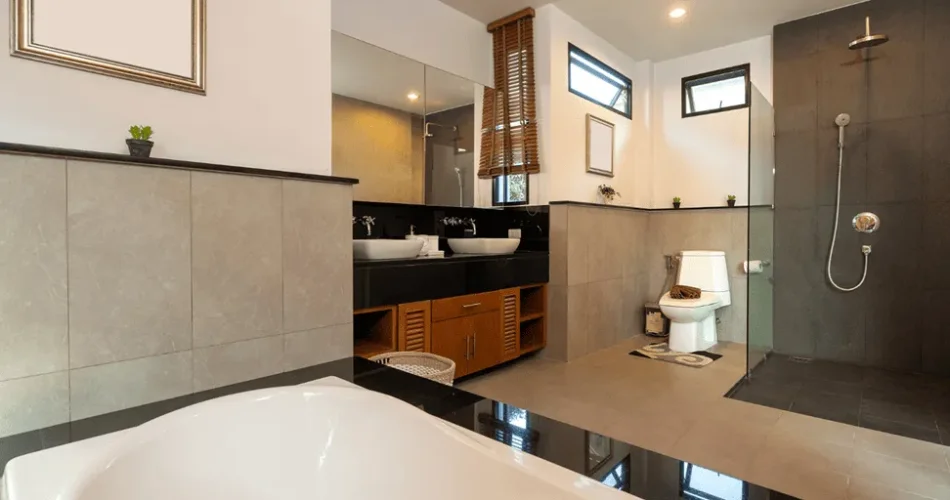
Has your bathroom been feeling a little tired and out-of-date? If it’s time for a makeover, consider one of these remodeling ideas to liven up the form and function of your bathroom.
If done right, a bathroom remodel is one of the most satisfying things that you can do for yourself, with not just comfort and practical everyday use benefits, but it resolves structural and/or plumbing issues as well, plus a high ROI - typically recouping 60-70% of your investment by the time the home is sold.
However, the best remodels don’t just center on appearances; a truly well-designed bathroom really comes down to form and function, and a beautiful bathroom with terrible lighting and inadequate storage won’t stand the test of time.
These bathroom design tips combine beauty and performance for a total bathroom overhaul or a bathroom update.
Replace the Tub with a Curbless Walk-in Shower
The tub-and-shower combination has a long history in home design, but that rickety alcove tub may well be taking up valuable space these days, unless you have small children or you bathe frequently.
A walk-in shower with no barrier will completely change the dynamics in the room and is a great alternative to a bathtub. You can tile the bathroom floor lengthwise continuously, going straight to the shower to avoid breaks in the tile. This illusion of a larger space compared to a small or medium-sized bathroom is achieved through this trick.
The Style Edge: It offers a chic, seamless, minimal aesthetic similar to a luxury boutique hotel.
The Functional Win: It makes the area more accessible (universal design), safer over the course of generations, and makes cleaning a breeze, especially if big format tiles are used, with fewer grout lines.
Elevate Floor Space with Floating Vanities
Creating a sense of space is one of the biggest goals in modern bathroom design. Boxed-in, standard floor-mounted vanities can restrict designs and introduce a lot of darkness. Installing wall-hung or floating vanities will raise the weight of cabinetry from the ground.
The floor underneath is revealed, allowing more light to flow through the room and creating more visual lines.
The Style Edge: A clean, modern look, and it will allow you to display beautiful floor tiling below.
The Functional Win: Bath floor cleaning is super simple without any corners where dust and moisture can collect. Consider using floating vanities with deep, built-in drawers instead of drawerless vanities with doors, since the drawers will use all of the cabinet space and won’t require reaching into dark corners.
Layer Your Lighting Architecture
One really bad fixture overhead is the number one nightmare in a well-designed bathroom. Makes shaving, makeup, or any other facial activity difficult due to the shadows cast on your face. To have a functional bathroom, there is a need for a multi-layer approach to lighting.
To incorporate your lighting scheme effortlessly, think about how each type will serve to change the room.
You’ll need to first plan for ambient lighting, which provides light for general visibility and safety purposes. This can be done by spacing recessed LED ceiling cans uniformly throughout the room.
Task lighting should be added to ensure shadow-free clarity in the performance of daily routine grooming or makeup application; you will ideally install sconces at eye level on either side of the mirror rather than overhead light.
Accent lighting can also be incorporated for atmosphere or to accent unique features of the room, for example, by installing under-vanity LED strip lights or mirrors with built-in lighting that will function as dim nightlights.
Integrate Smart, Built-In Storage
A clutter-free bathroom naturally feels more organized and relaxing. Whether we’re talking about your everyday needs, you need some dedicated spaces for a high-end, serene environment. Don’t install large aftermarket plastic shelving over the toilet; incorporate storage into the structure of the building during remodeling.
Shower Niches: Ditch the plastic hanging caddies. A tiled recessed shower niche is a better way to store your soaps and shampoos. Make sure the bottom shelf is pitched slightly forward so the water runs off rather than sitting and growing mildew.
In-wall medicine cabinets: Build your medicine cabinet and mirror into the framing of your walls. This ensures that your profile is flush with your drywall without any visible storage space for prescriptions, toothbrushes, or your skin care.
Use dedicated Outlets: Place power outlets in vanity drawers or medicine cabinets. It keeps your electric toothbrush and hair dryer plugged in, charging, and out of sight.
Upgrade to Performance Materials
A beautiful bathroom is only successful if it can also be gracefully used in high moisture, humidity, and daily usage. A high-performance material avoids degradation earlier in the investment’s life and will continue to maintain a pristine look for years.
Quartz versus marble - Natural marble is stunning but extremely porous and liable to stick to toothpastes/skin creams. However, quartz worktops are non-porous (most quartz), therefore completely waterproof and require no sealing at all.
Porcelain tile - Porcelain tile is denser and absorbs less water than ceramic tile for use on wet floors/walls. Porcelain tiles are non-absorbent, and aggressive cleaners can be applied to their surfaces.
Performance grout - Use high-performance, stain-resistant grout such as epoxy or pre-mixed urethane. It will cost a bit more to begin with, but these tiles are stain-resistant, and you should not have to seal them each year.
Final Words
All the best bathroom remodeling projects happen because of forethought. If you do these universal changes to your bathroom’s floor plan, such as removing the curbs, making your cabinetry taller for more visual space, and layering your light sources, then you know your new bathroom will look fabulous from day one and continue to function fantastically for the next ten plus years.
Recent Blogs
Corporate Branding Guidelines Every Company Should Know
A beginner-friendly guide explaining important corporate branding guidelines that support brand consistency, recognition, and business credibility.

Budget-Friendly Home Improvement Tips for Every Homeowner
This guide shares simple and affordable home improvement ideas for homeowners who want to refresh their space while staying within budget.
Energy Efficient Home Improvement Credit: What Homeowners Should Know
Discover how the Energy Efficient Home Improvement Credit may help homeowners reduce tax liability while improving home comfort, efficiency, and long-term energy savings.

How to Choose the Right Home Improvement Contractor
This article explains how homeowners can find a reliable home improvement contractor, avoid common mistakes, and make smarter renovation decisions.

Home Improvement Loans and Financing Options Explained
A beginner-friendly guide to home improvement loans, personal loans, home equity options, financing plans, and important costs homeowners should understand.

Digital Branding Ideas for Small Business Success
This beginner-friendly guide explains how professionals and entrepreneurs can create a clear personal brand that supports trust, authority, and business growth.
