Budget-Friendly Home Improvement Tips for Every Homeowner

Most homeowners have a list. Sometimes it’s written down. Sometimes it’s just sitting in the back of their mind. The kitchen could use an update. The walls need repainting. The bathroom feels outdated. The flooring has seen better days. The problem isn’t usually a lack of ideas. It’s the budget.
Home improvement projects have a reputation for getting expensive very quickly. Even simple upgrades can start adding up once materials, labor, and unexpected costs enter the picture.
That’s why many homeowners put projects off for months or even years. They assume meaningful improvements require a major investment. The reality is often a little different.
I’ve seen homes feel completely transformed without massive renovations or five-figure budgets.
Start With What Bothers You Most
One mistake homeowners sometimes make is chasing trends instead of solving everyday frustrations. A room doesn’t need a complete renovation just because it’s not featured in a magazine. Instead, think about the things you notice regularly.
-
Maybe a room feels dark.
-
Maybe storage is limited.
-
Maybe the walls look tired.
-
Maybe outdated fixtures catch your attention every day.
Those small annoyances often provide the best starting point. I’ve noticed that homeowners tend to appreciate improvements more when they solve real problems rather than simply following design trends. After all, you’re the one living there. Your daily experience matters more than anyone else’s opinion.
Paint Still Delivers One of the Best Returns
It’s not the newest home improvement idea. It isn’t particularly glamorous. Yet paint continues to be one of the most effective budget-friendly upgrades available.
A fresh coat of paint can make a room feel cleaner, brighter, and more modern without requiring major construction. I’ve seen homeowners spend months considering expensive renovations only to realize that updated paint completely changed how a space felt. Walls take up a lot of visual space. When they look fresh, the entire room often benefits.
The best part is that painting remains one of the more affordable improvements for homeowners willing to tackle some of the work themselves.
Upgrade What People Touch Every Day
Some of the most noticeable improvements aren’t the biggest ones. They’re the things people interact with constantly.
-
Cabinet handles.
-
Door hardware.
-
Light fixtures.
-
Faucets.
-
Switch plates.
These details tend to fade into the background because homeowners see them every day. Then they’re updated. Suddenly, the room feels different. It’s a small psychological shift, but it works.
Replacing worn or outdated hardware can create a surprisingly fresh appearance without requiring major spending. I’ve seen kitchens look significantly newer without replacing a single cabinet. Sometimes the details carry more visual weight than people realize.
Don’t Underestimate Lighting
Lighting has a funny way of influencing how people feel about a space. A room can have beautiful furniture, attractive colors, and great design features. If the lighting feels poor, the entire space may seem less inviting.
Luckily, improving lighting doesn’t at all times have need of costly renovations. At times, it’s as simple as updating fixtures, replacing old-fashioned bulbs, or adding additional light sources where needed.
I’ve walked into homes where the biggest improvement wasn’t new flooring or new furniture. It was better lighting. The room simply felt more welcoming. And that’s something people notice immediately.
Focus on Curb Appeal First
When budgets are limited, exterior improvements often deliver impressive value. The front of the home creates the first impression every single day.
Not just for visitors. For homeowners, too. Simple upgrades can make a noticeable difference.
-
Fresh landscaping.
-
New house numbers.
-
Updated outdoor lighting.
-
A freshly painted front door.
-
Clean walkways.
None of these projects typically requires enormous investments, yet they can dramatically improve how a home feels from the moment you arrive. I’ve noticed that homeowners often underestimate how satisfying curb appeal improvements can be because they’re focused on interior projects. Sometimes the outside deserves attention too.
Decluttering Is Free
This probably isn’t the home improvement tip people get excited about. But it’s hard to ignore how effective it can be. A cluttered room often feels smaller, busier, and less functional.
The interesting part is that removing things frequently creates a bigger impact than adding new ones. I’ve seen homeowners spend money trying to improve a room that simply needed less stuff. Decluttering won’t solve every design problem. But it often reveals opportunities that weren’t obvious before. And unlike most home improvements, it doesn’t require a budget.
Give Existing Features a Second Chance
Not every upgrade requires replacement. That’s something homeowners sometimes forget.
-
Cabinets can often be painted.
-
Furniture can be refinished.
-
Shelving can be updated.
-
Old pieces can find new purposes.
I’ve seen people assume they needed entirely new kitchens when a cabinet refresh created the look they wanted for a fraction of the cost. Replacement is sometimes necessary. But it’s not always the first solution. A little creativity can stretch a home improvement budget surprisingly far.
Prioritize Maintenance Projects
This isn’t the most exciting advice, but it may be the most valuable. Homeowners naturally gravitate toward visible improvements.
-
New finishes.
-
Updated decor.
-
Modern fixtures.
Meanwhile, maintenance projects often get postponed because they aren’t as satisfying. The problem is that small maintenance issues tend to become larger expenses over time. A minor leak becomes water damage.
A neglected exterior surface requires replacement sooner than expected. An ignored repair creates additional problems.
Taking care of these items may not produce dramatic before-and-after photos, but it often protects the home and prevents future costs. That’s a pretty good return on investment.
One Project Often Leads to Another
I’ve noticed something interesting about home improvement. The first project is usually the hardest. People spend weeks debating what to do.
-
Researching options.
-
Comparing costs.
-
Trying to decide whether it’s worth the effort.
Then the project gets completed. The house feels a little better. The homeowner feels more confident. Suddenly the next improvement seems much more achievable. Momentum starts building.
That’s one reason small projects can be surprisingly powerful. They create progress. And progress often feels better than waiting years for the perfect renovation budget.
A Better Home Doesn’t Always Require a Bigger Budget
It’s easy to scroll through renovation shows and social media posts and assume every improvement requires tens of thousands of dollars. Real life is usually more practical than that. Most homeowners aren’t completing full-scale remodels every year. They’re making gradual improvements over time.
-
A fresh coat of paint this year.
-
Updated lighting next year.
-
New landscaping after that.
-
Small changes accumulate.
And before long, the home feels noticeably different.
That’s what makes budget-friendly home improvement so appealing. It isn’t about transforming everything at once. It’s about making thoughtful improvements that fit your budget and improve the way you experience your home every day.
Recent Blogs

Corporate Branding Guidelines Every Company Should Know
A beginner-friendly guide explaining important corporate branding guidelines that support brand consistency, recognition, and business credibility.
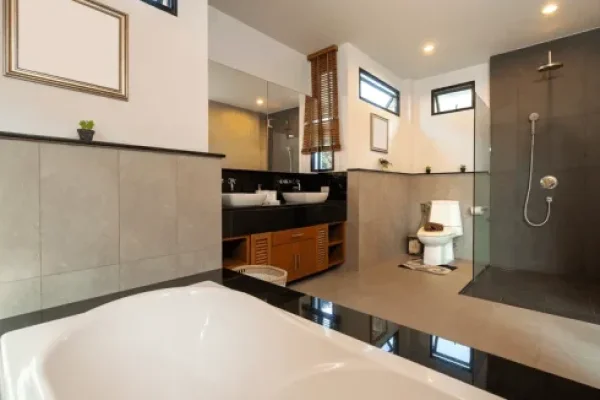
Bathroom Remodeling Ideas That Improve Style and Function
A useful guide to bathroom remodeling ideas that help homeowners upgrade design, improve daily comfort, and make better use of bathroom space.
Energy Efficient Home Improvement Credit: What Homeowners Should Know
Discover how the Energy Efficient Home Improvement Credit may help homeowners reduce tax liability while improving home comfort, efficiency, and long-term energy savings.

How to Choose the Right Home Improvement Contractor
This article explains how homeowners can find a reliable home improvement contractor, avoid common mistakes, and make smarter renovation decisions.

Home Improvement Loans and Financing Options Explained
A beginner-friendly guide to home improvement loans, personal loans, home equity options, financing plans, and important costs homeowners should understand.

Digital Branding Ideas for Small Business Success
This beginner-friendly guide explains how professionals and entrepreneurs can create a clear personal brand that supports trust, authority, and business growth.
